·5 min read
Distributed
You don't realize, when you board a flight at sixteen, that you are not just moving. You are dividing.
You don't realize, when you board a flight at sixteen, that you are not just moving. You are dividing.
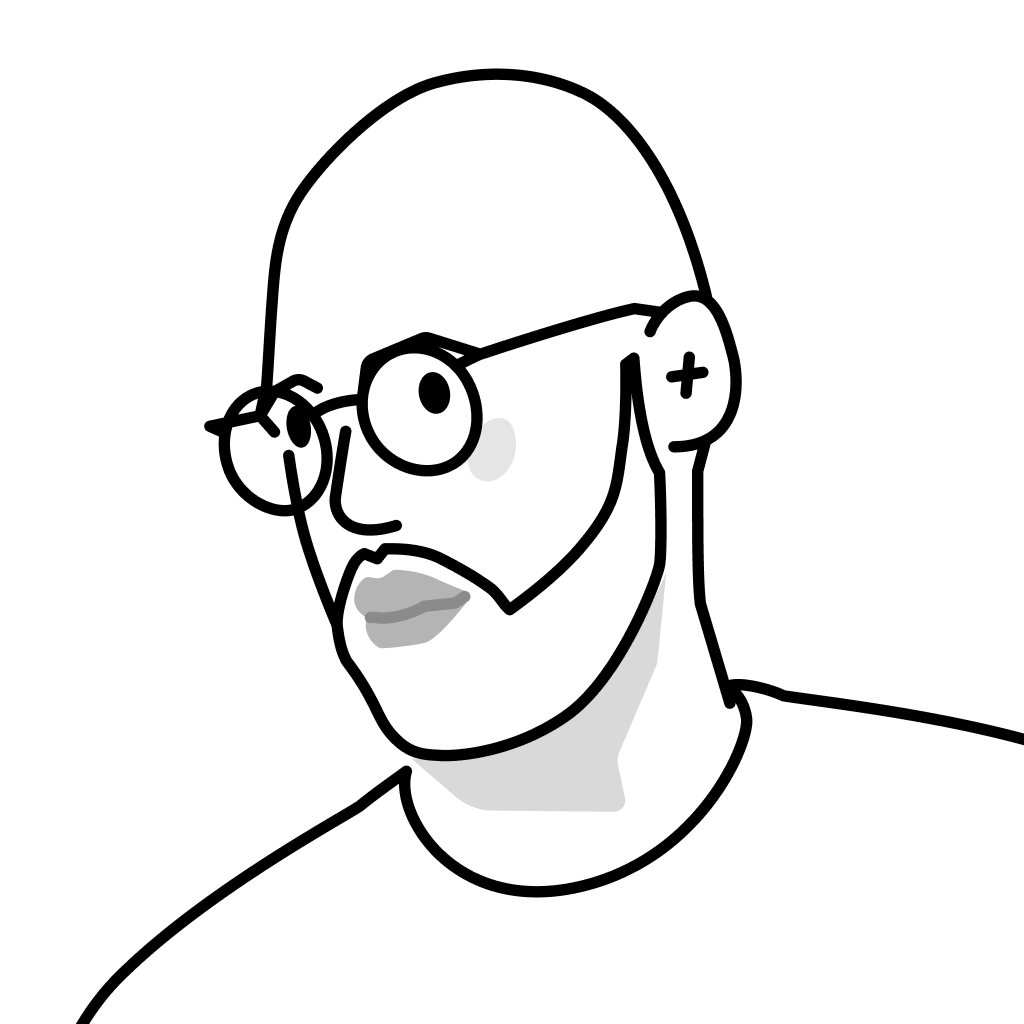
Builder & Ball Player
There is a version of me still in Trinidad. He is sixteen. He hasn't gotten on the plane yet. He doesn't know that the next thirty years of his life will happen in five different countries, in four different languages, in two different careers. He is just a kid on an island, and the island is the whole world.
I left him there. I didn't mean to. You don't realize, when you board a flight at sixteen, that you are not just moving. You are dividing. A piece of you stays. Another version begins. And every time you move again, you do it again. There is a version of me in Chicago who learned what cold actually meant. A version in the Bay who learned how to be alone in a crowd. A version in Spain who fell in love with a language and a way of moving through afternoons. And now a version in Sweden who is learning, slowly, how to be still.
I don't think anyone tells you this part. That moving teaches you something almost no one else gets to learn, and that the lesson costs you something almost no one else has to pay.
The strength is real. I won't pretend it isn't. When you live in enough places, you develop a kind of internal compass that doesn't need a map. You can read a room in a language you barely speak. You can find your way home in a city you landed in yesterday. You learn that most of what people call "the way things are" is just the way things are here, and that somewhere else, people are doing it completely differently and calling that normal too. This gives you perspective that is hard to describe to someone who has never had to translate themselves.
You become adaptable in a way that looks like a superpower from the outside. You can sit at any table. You can make a life from very little. You can lose almost everything that was familiar and rebuild, again, because you have done it before. There is a quiet confidence that comes from knowing you have survived your own reinventions.
But the cost is also real, and the cost is this: you are never fully arrived. Some part of you is always scanning. Always slightly outside. Always aware that the floor you are standing on is one you built yourself, and that you could build another one if you had to, and that knowing this means you never quite relax into the floor.
People who have lived in one place their whole lives have something I will never have. Not better, just different. A kind of unconscious belonging. A nervous system that isn't always quietly checking the exits.
What I have started to notice, now that I am older and standing still for the first time in a long time, is that each place kept a different part of me.
Trinidad has my first language of the body. The way I move when no one is watching, the rhythms I default to, the music my shoulders remember before my mind does. It is the version of me that knows what heat feels like as a personality trait, not a temperature.
Chicago has my hunger. The version of me that learned how to want things and chase them in a country that wasn't mine. It is the part of me that still believes work can save you, which is a useful belief and also a dangerous one.
The Bay has my ambition and my loneliness, both. The version of me that learned what it costs to chase something all the way to the edge of yourself.
Spain has my joy. Eight years of a language that lives in the chest and not the head. The version of me that learned how to linger, how to eat slowly, how to let an afternoon mean something. I miss him most, I think.
And Sweden has the version of me I am still becoming. The father. The man who is no longer an athlete. The one learning that stillness is its own kind of motion.
I retired from basketball when I moved here. Twenty-four years of my life had a shape, a season, a we, and then one day it didn't. Becoming a father in the same year meant I didn't get to mourn the old self quietly. I had to immediately be a new one for someone who needed me to already know how. That, too, is a kind of immigration. From a body. From an identity. From a version of yourself you spent your whole life building.
I think the hardest part of all of this isn't the leaving. It's the realization, somewhere in your thirties or forties, that you can't gather all the versions of yourself back into one body. They live where you left them. You can visit. You can remember. But you cannot collect yourself.
And maybe that is what people mean when they talk about soul pain. Not depression exactly. Not anxiety exactly. Something quieter underneath. The ache of being scattered across a map, and knowing that the cost of seeing the world was that you had to leave pieces of yourself everywhere you went.
If you have done this, left a country, left a sport, left a self, you already know what I am talking about. You don't need me to explain it. You just need someone to say it out loud so you know you didn't make it up.
You are not lost. You are distributed.
And the life you have built, wherever you have built it, is still allowed to be beautiful, even if part of you is always, quietly, somewhere else.